FOUND A WILD ANIMAL?
If you have found what you think is an injured or orphaned wild animal in Connecticut, please call or text us at 860-631-7252 before acting so we can assess the situation with you in real time. Not all situations require intervention.
Species We Specialize In
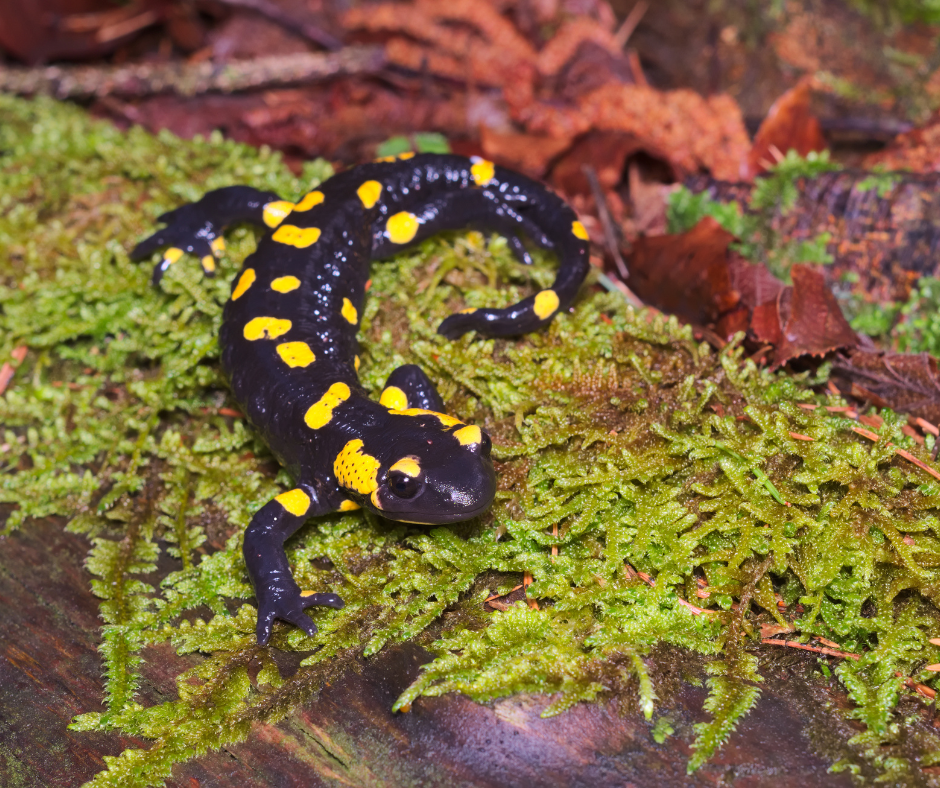
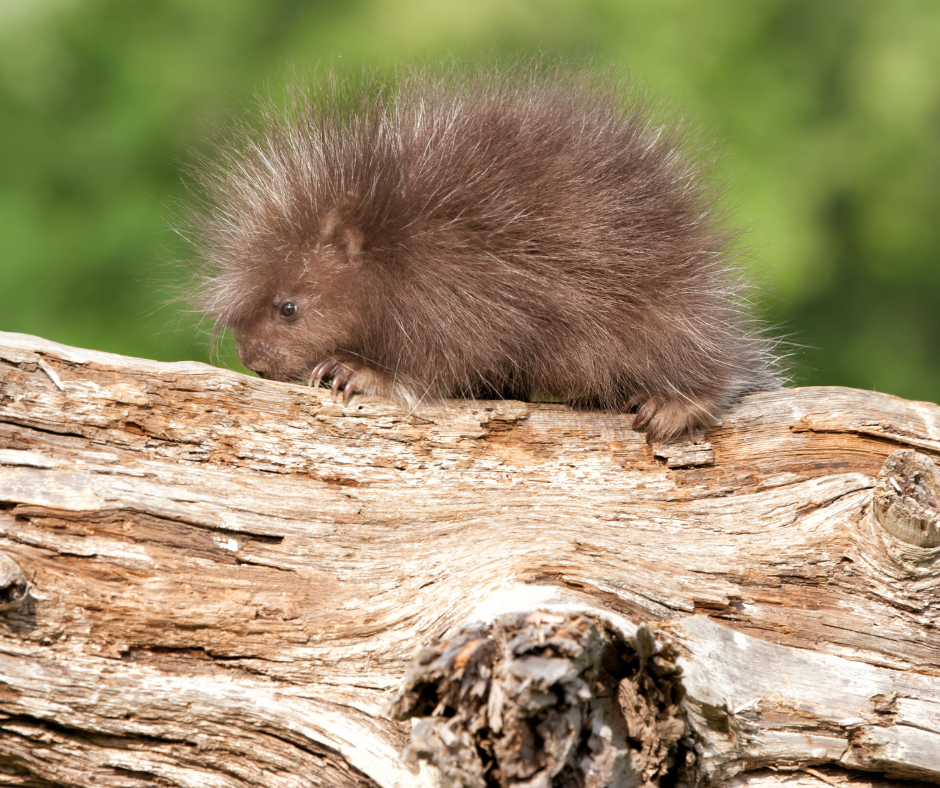
At Nutmeg Acres Wildlife Rehabilitation, our primary focus is on the care and rehabilitation of Virginia Opossums, mustelids (including weasels, mink, fishers, and river otters), porcupines, as well as a variety of reptiles and amphibians. When space and resources permit, we may also be able to assist with other native wildlife species.
Any animal that has been in a cat or dogs mouth requires immediate assistance. Please follow the steps below on how to safely contain the animal for transport to a wildlife rehabilitator.
Connecticut Directory: Click Here
If you found an animal in Massachusetts: Click Here
If you found an animal in Rhode Island: Click Here
Nationwide Wildlife Resource: Click Here
IMPORTANT CONNECTICUT INFORMATION
In Connecticut it’s against the law to take a wild animal into your home as a pet or to care for it unless you are a licensed wildlife rehabilitator, even if your goal is to release it. It’s also illegal to transport wild mammals across state lines. Some species of birds can be transported across state lines if a wildlife rehabilitator is not available near you.
The Connecticut Department of Energy & Environmental Protection strictly prohibits the rehabilitation of adult raccoons, adult foxes, adult skunks, and adult deer. Additionally, they prohibit the rehabilitation of coyotes, black bears, and bobcats. If you need assistance with any of these species, please contact: CT DEEP at 860-424-3011
RABIES VECTOR SPECIES
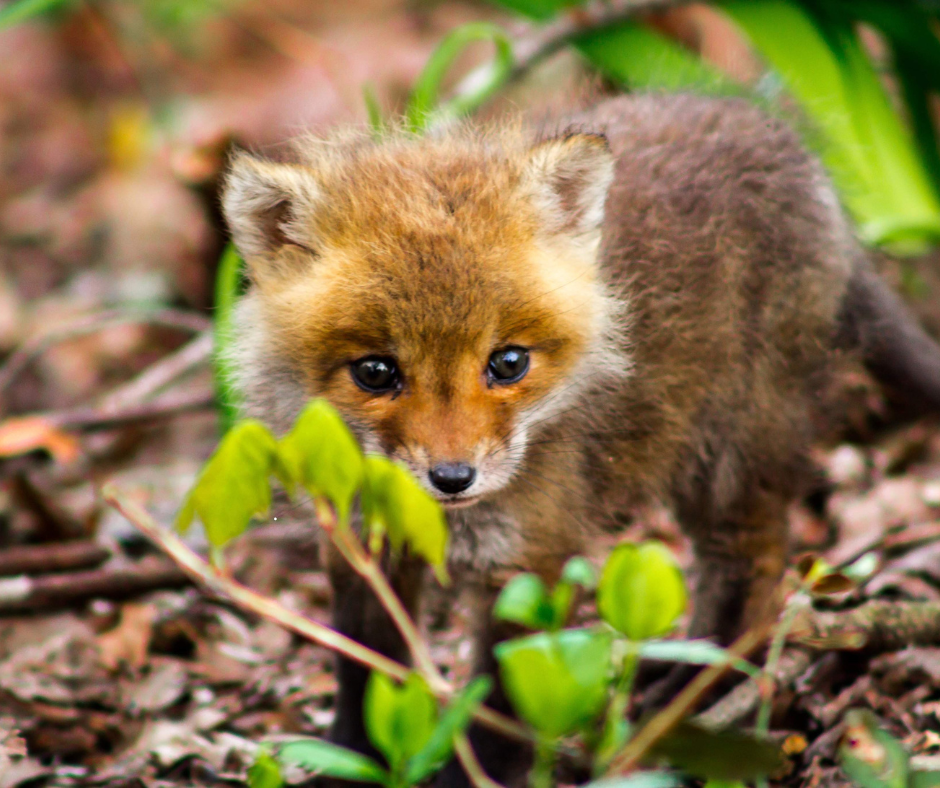
Connecticut classifies raccoon, skunk, fox, and bats to be Rabies Vector Species (RVS). If you come across an infant or juvenile raccoon, skunk, fox, or any aged bat, you think may need assistance, please do not touch them with your bare hands. Bites, scratches, contact with saliva to an open wound or mucous membranes (eyes/nose/mouth) from these species is considered an exposure by the State of Connecticut and the animal would be required by law to be euthanized and submitted for rabies testing. Proper handling protocols must be adhered to. BEFORE you handle, please contact us for instructions.
If it is determined the animal needs help, follow these steps:
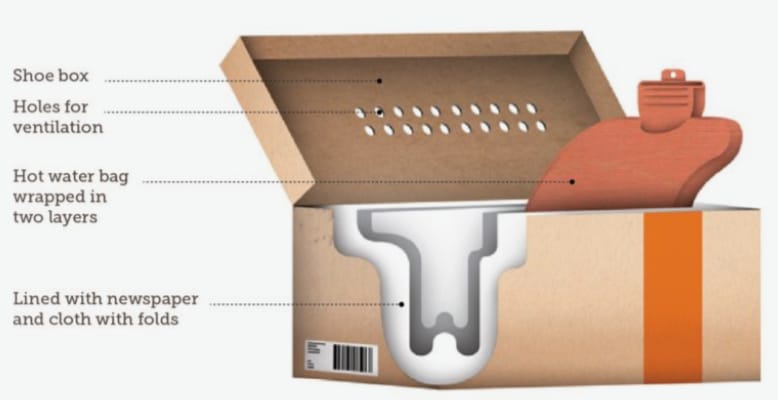
- Find an appropriately sized container with a secure lid. Ensure there is adequate ventilation.
- Gently pick up the animal using gloves to protect both you and the animal.
- Line the bottom of the box with a soft cloth (old tee shirts or fleece) and carefully place the animal inside.
- Only add a heat source if directed to—never use heat for animals with head injuries.
- Put the box in a quiet, dark room, away from people and pets, to reduce stress.
- Do not offer any food or water, as this can be harmful to the animal.
- Transport the animal as soon as possible. During the drive, keep things quiet: turn off the radio, speak softly or not at all, and avoid bringing any pets. Wild animals are easily stressed, and a peaceful environment can make a big difference.